Fleet Dismantling and Maritime Cleanup

Director of the only specialized ship recycling yard in North-West Russia (1990–2000): recycling of about 70,000 tonnes of decommissioned ships and floating craft, and clearing the seabed of the eastern Gulf of Finland of sunken vessels.

The yard

1990–2000

From 1990, for ten years, Dr Startsev was Director General of the specialized environmental enterprise CJSC (joint venture) Interferrum-Metall, a ship recycling yard within the Vtorchermet production association and the only industrial enterprise of its kind in North-West Russia. The yard specialized in the recycling of hazardous military and industrial waste and took part in the state defence procurement programme for the recycling of decommissioned weapons and military equipment: warships, submarines, vessels and floating craft, and land military vehicles.

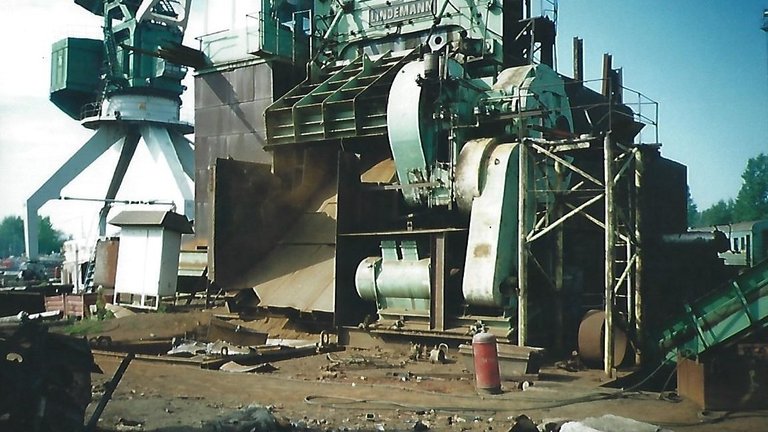
A small workforce of 65 people had equipment rare in Russia, including a Lindemann (Germany) shear press of 2,500 tonnes-force.
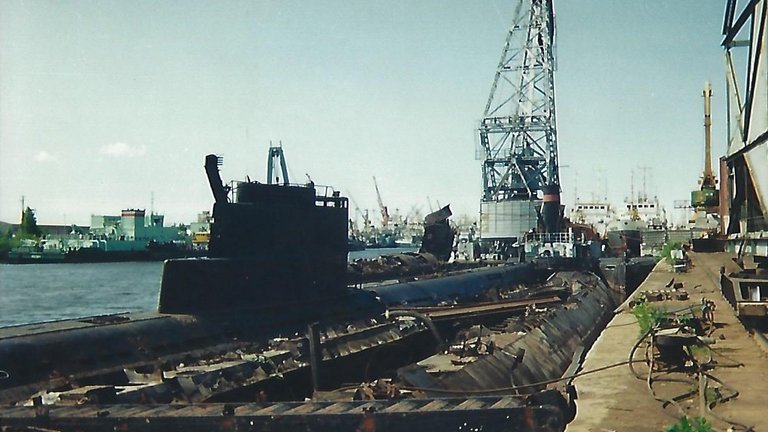
Submarines alongside the yard's quay wall
Submarines at the Interferrum-Metall quay

Scale of the work

by 1999

By June 1999 the yard had recycled 114 ships and vessels, 12 of them sunken ones raised by the yard itself. The most complex were 32 warships: a cruiser of more than 14,000 tonnes displacement and 220 m in length, 14 Whiskey- and Foxtrot-class diesel submarines and a floating barracks in distress. In addition, more than 1,000 artillery mounts, armoured vehicles and air-defence missile systems were cut up for scrap.

Over ten years the yard carried out a large volume of environmental work, clearing the eastern Gulf of Finland and adjoining waterways of decommissioned floating objects, including sunken ones. The total dock weight of the vessels recycled was about 70,000 t.

Dismantling a ship's hull under the yard's cranes
Dismantling a decommissioned vessel at Interferrum-Metall

The Tosna: a disaster averted

1998

In May–June 1998 the yard averted an environmental disaster near Primorsk. The decommissioned naval floating barracks Tosna was in distress, with 100 t of fuel oil and diesel in its tanks; had it sunk, the oil would have spilled into the Gulf near the Finnish coast. At its own risk the yard towed the barracks to its shop and recycled it.

What it meant for the city

  • Safer shipping and several thousand metres of berths freed in the port of Saint Petersburg: decommissioned ships do not stay afloat for long and sink at their moorings.
  • Heavy metals, oily waste and chemical products kept out of the water.
  • Savings of tens of millions of roubles for the city budget, which would otherwise have been spent on clearing sunken vessels.

The yard carried out all the recycling and salvage work at its own expense, without state funding, covering its costs by processing industrial scrap. Dr Startsev described this on 17 June 1999 in his paper “Recycling of hazardous military and industrial waste around Saint Petersburg: the basis for reducing the largest regional risks” at the round table “Saint Petersburg: a Window to Europe” of the St. Petersburg Economic Forum at the Smolny.